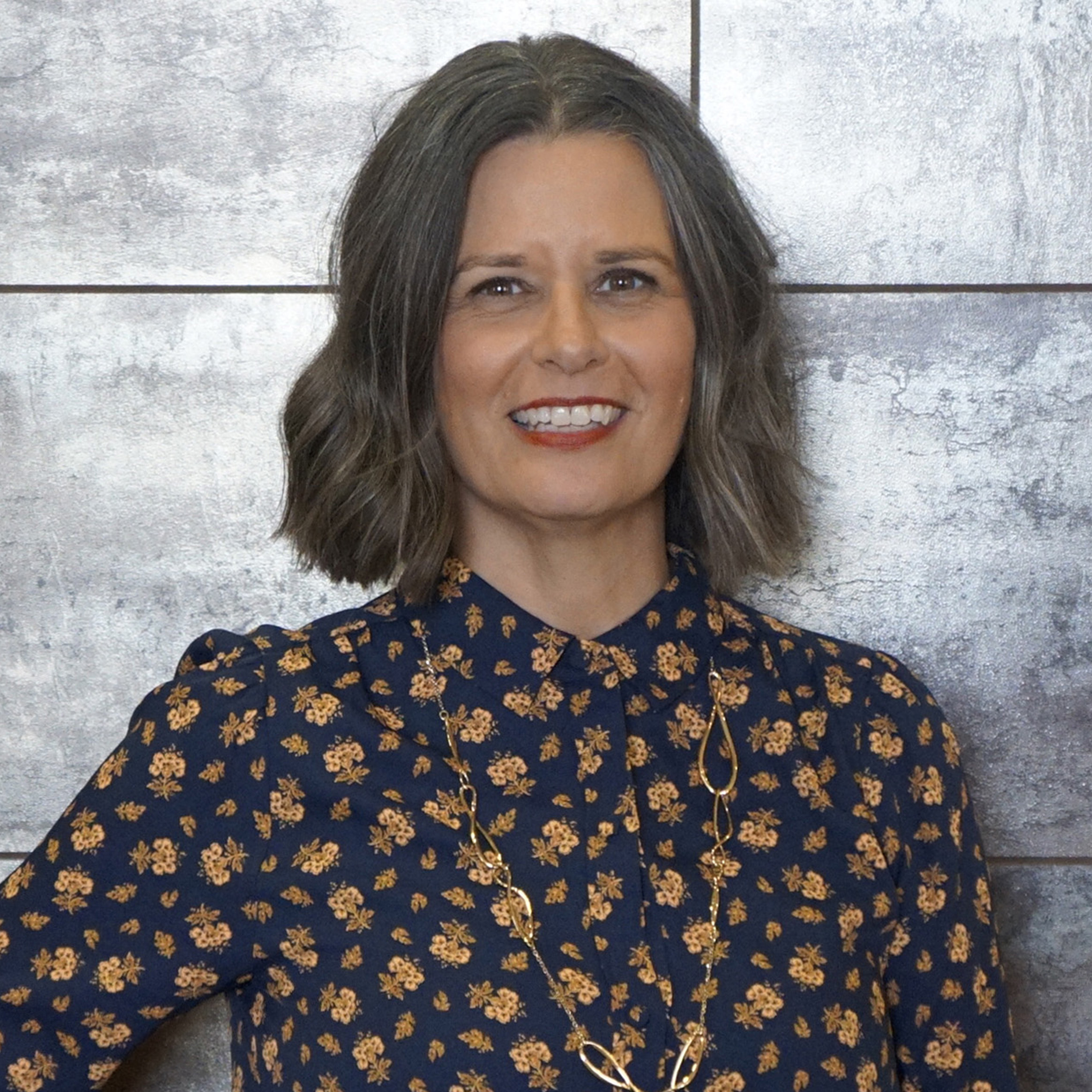
A Message from Gail
Hello Friends,
For many years, conversations about child abuse prevention focused on what happens after a family reaches a crisis. We talked about how to intervene when we see signs of abuse or neglect. We focused on systems designed to respond when a child was at risk. While those responses remain important, research continues to point us toward something even more effective: prevention. The safest communities are not the ones that respond best to crises. They are the ones that help families avoid crises in the first place.
At Kansas Children’s Service League (KCSL), we know child abuse and neglect are preventable. Prevention starts when families have access to the support, connections and resources they need long before challenges become emergencies. This is a shift in how many people think about child abuse prevention. Too often, we picture prevention as a rescue mission. Someone steps in after a problem becomes severe. But real prevention works differently.
Prevention is a safety net
A strong safety net helps families stay stable during difficult times. It connects parents to quality child care, medical care, mental health services, family resource centers and other community supports. It teaches families that it’s okay to ask for help and doesn’t judge them when they do. When that support is available early, families are better equipped to navigate life’s challenges. Children are safer. Parents feel more confident. Communities grow stronger.
When families have access to stable housing, job security, health care and supportive relationships, they are more likely to remain strong during stressful times. These supports are not extras. They are essential building blocks of prevention.
Every one of us has a role to play
The truth is that every child is part of our community. Whether a child lives down the street, across town or on the other side of the state, their safety and well-being should matter to all of us. Children who feel supported and connected are more likely to succeed in school, build healthy relationships and contribute positively to their communities.
When we look out for one another, connect families to resources and create environments where asking for help is welcomed, we help prevent crises before they occur. Small acts of support can make a meaningful difference. A trusted adult who listens, a workplace that offers flexibility, a teacher who connects a family to resources or a neighbor who offers encouragement can help reduce stress for caregivers. That is the power of shared responsibility. Together, we can create communities where families are stronger, children are protected and prevention becomes part of everyday life. Prevention does not belong to one person or one organization. It happens when communities come together to ensure every child grows up feeling safe, valued and connected.
Prevention works
We know children do better when families receive support early. We know strong relationships help families overcome challenges. And we know communities are stronger when families have the tools they need to succeed. When we invest in families, we invest in safer communities. When we strengthen connections, we reduce isolation. When we support parents before they reach a breaking point, we help prevent harm before it occurs.
Together, we can move beyond responding to crises and focus on creating the conditions that help every child and family thrive.
Sincerely,

Gail Cozadd
KCSL CEO